
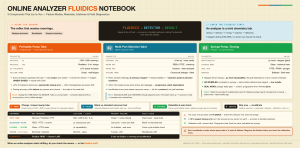
The cheapest part of your online analyzer is also the most likely reason it’s lying to you
When an online analyzer starts drifting, the reflex is to suspect the sensor. Replace the electrode. Recalibrate. Blame the chemistry. In my experience, the sensor is often fine. The problem…
Learn more +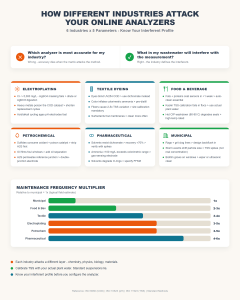
How Different Industries Attack Your Online Analyzers
The wrong question: “Which analyzer is most accurate for my industry?” The right question: “What in my wastewater will interfere with the measurement?” Interference isn’t random. It’s written into each…
Learn more +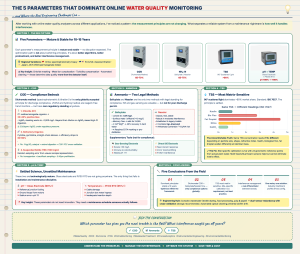
The 5 Parameters That Dominate Online Water Quality Monitoring 💧
After working with online analyzers across different applications, I’ve noticed a pattern: measurement principles aren’t changing. What separates a reliable system from a maintenance nightmare is how well it handles…
Learn more +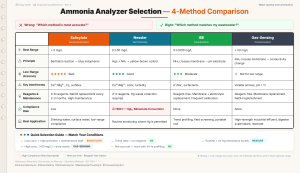
Ammonia Analyzer Selection — The Wrong Question
❌ "Which method gives the most accurate ammonia reading?" ✅ "Which method actually matches my wastewater composition?" Four methods. Four different battles. Here's the breakdown: 🟢 SALICYLATE METHOD — Low-Range…
Learn more +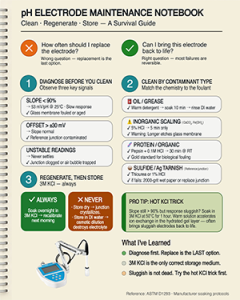
pH Electrode Failure — How to Clean, Regenerate, and Store It Properly
The wrong question: “How often should I replace the electrode?” The right question: “Can I bring this electrode back to life — and how?” A drifting or sluggish pH electrode…
Learn more +
Why Your Online COD Reading Is 30% Higher Than the Lab — Chloride Interference
Online analyzer: 450–550 mg/L. Lab: 320–380 mg/L.Not sensor drift. Not bad reagents.The real culprit: 3,000–5,000 mg/L chloride from textile dyeing, and an online COD method with insufficient mercury sulfate masking.…
Learn more +
Why Your Electromagnetic Flowmeter Reads Wrong — The Grounding Problem
A real case: DN300 magmeter on a wastewater inlet. 3 months in, readings jumped ±15% randomly. Sunny days fine, rainy days chaotic. They replaced the transmitter, recalibrated — no fix.…
Learn more +
Why Your Online Turbidity Reading Doesn’t Match the Lab
A water plant case: online turbidity held steady at 0.08–0.12 NTU for a week. Daily lab samples? 0.25–0.35 NTU. Three layers of uncertainty stack up to create that gap. 🔬…
Learn more +Have a specific question?
Ask our engineers for personalized guidance on instrument selection and application.
Contact Us